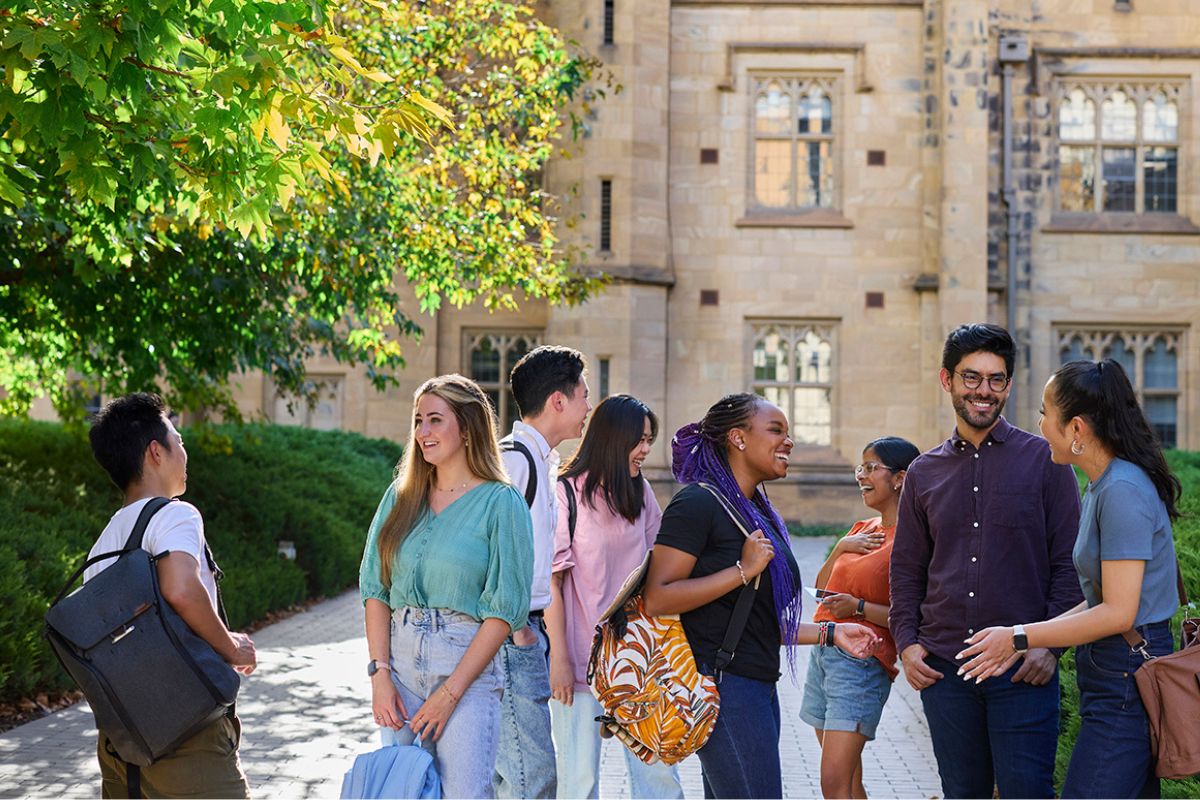
There’s something romantic about the idea of moving to Melbourne for uni. You imagine yourself sipping a flat white in Carlton, jotting notes in a café between lectures, and strolling through the laneways feeling all cultured and sophisticated.
Then reality hits. Rent prices. Myki charges. Groceries that make you question if you accidentally wandered into a luxury store. Suddenly, you’re not living your “student dream”, you’re just surviving it.
Here’s what Melbourne really costs in 2025 if you’re a uni student, and a few hacks to make it sting a little less.
Rent: The Beast That Eats Your Pay check
Let’s start with the big one, rent.
If you’re living solo near the CBD (Carlton, Parkville, Southbank, or Fitzroy), expect to pay anywhere from $450 to $650 a week for a studio or one-bed apartment. Yes, a week. You could practically rent a small villa in Bali for that.
Most students share houses instead. In suburbs like Brunswick, North Melbourne, or Footscray, a room in a decent share house will set you back about $250 to $350 a week. If you’re lucky, that includes bills. If not, add another $30 to $50 for electricity, gas, water and Wi-Fi.
Further out, places like Preston, Coburg or Box Hill have rooms for $200 to $250. It’s cheaper and quieter, but you’ll trade it for longer commutes and the occasional early-morning meltdown at a bus stop in the rain.
Hack:
- Check flatmates.com.au or uni housing Facebook groups for sublets mid-semester.
- Live near a train line. Trams are convenient but painfully slow.
- Don’t underestimate outer suburbs like Reservoir or Sunshine. They’re cheaper, full of good food, and still connected.
Groceries: The Weekly Reality Check
You think $50 will cover your groceries? That’s adorable.
Realistically, expect $80 to $120 a week if you’re cooking most meals. Coles and Woolies will happily rob you blind if you don’t shop smart, while Aldi remains the unsung hero for broke students.
If you stick to basics like rice, pasta, stir-fries, oats, eggs, frozen veggies and chicken, you’ll survive comfortably. Add snacks or the occasional sushi roll and your total climbs fast.
Hack:
- Buy in bulk and freeze meals.
- Head to Queen Vic Market or Preston Market for cheaper produce.
- Limit yourself to one takeaway coffee a day. Six-dollar oat caps add up faster than you’d think.
Transport: The Myki Menace
Public transport in Melbourne is functional. Not glamorous, but it gets you there eventually.
Full-time students get a concession Myki card, and a 7-day Zone 1+2 pass costs about $23.90. That covers trams, trains and buses across most of Melbourne.
If you’re living central and mostly catching trams, you’ll spend $10 to $20 a week. Out in the suburbs, especially if you’re at Monash Clayton, it’s closer to $30 to $40 weekly.
Hack:
- Always tap on and off. The $280 fine isn’t worth it.
- Invest in good sneakers. Walking is free and often faster than the tram that’s been “two minutes away” for fifteen minutes straight.
Eating Out and Social Life: Death by Brunch
Melbourne’s food scene is unreal, but it’ll bankrupt you if you’re not careful.
A casual meal out is $20 to $25, and brunch can hit $30 once you add a coffee. Do that a few times a week and you’re looking at over $300 a month. Most students find a middle ground between home cooking and the occasional café splurge.
Budget $50 to $70 a week for social stuff like meals, drinks, or movies. That’s enough to have fun without blowing your savings.
Hack:
- Tuesdays and Wednesdays are discount days at heaps of restaurants and cinemas.
- Follow your favourite food spots on Instagram. They post weekday deals constantly.
- Never underestimate $1 sushi rolls from uni food courts.
Utilities, Internet and Phone
Bills are annoying but inevitable. Expect roughly:
- $20 to $30 a week on electricity, gas and water (depending on your share house).
- $15 to $20 a week for decent Wi-Fi.
- $10 to $15 a week on your phone plan (Amaysim and Boost are solid options for budget users).
It’s not glamorous. When you’re splitting bills with housemates who think differently, you’ll want to keep a bit extra aside.
Total Monthly Breakdown (Roughly)
| Category | Low Range | Mid Range | High Range |
|---|---|---|---|
| Rent | $800 | $1,200 | $2,400 |
| Groceries | $320 | $400 | $480 |
| Transport | $80 | $120 | $160 |
| Eating Out and Social | $200 | $300 | $400 |
| Utilities and Bills | $150 | $200 | $250 |
| Total | $1,550 | $2,220 | $3,690 |
You are looking at around $2,000 to $2,500 a month to live comfortably as a uni student in Melbourne in 2025. This estimation ensures you maintain a balanced lifestyle. That’s assuming you’re not living large, but also not surviving solely on instant noodles and self-pity.
Final Thoughts
Melbourne’s an incredible city to study in. It’s creative, diverse and full of life. But it’s also expensive, and pretending otherwise just makes things harder.
The trick is balance. Learn where to spend and where to save. Splurge on moments that matter. Enjoy a concert, a weekend trip, or a great meal with friends. Cut corners where it doesn’t matter.
No one has it all figured out. Every student here is just trying to find their rhythm. They juggle lectures, part-time work, and the cost of simply existing in one of the world’s most livable cities.
You’ll make it work. Bit by bit, on cheap (instant) coffee and pure grit.
 Inside The University of Melbourne